Finding a spot is only half the parking experience—what you do after you park can make a big difference for your fellow drivers, pedestrians, and the surrounding community. Whether you’re navigating a packed city lot or pulling into a dirt trailhead near a scenic overlook, following basic parking etiquette ensures smoother trips for everyone.
This guide covers essential etiquette tips for respectful, responsible parking across public spaces, urban areas, and nature destinations.
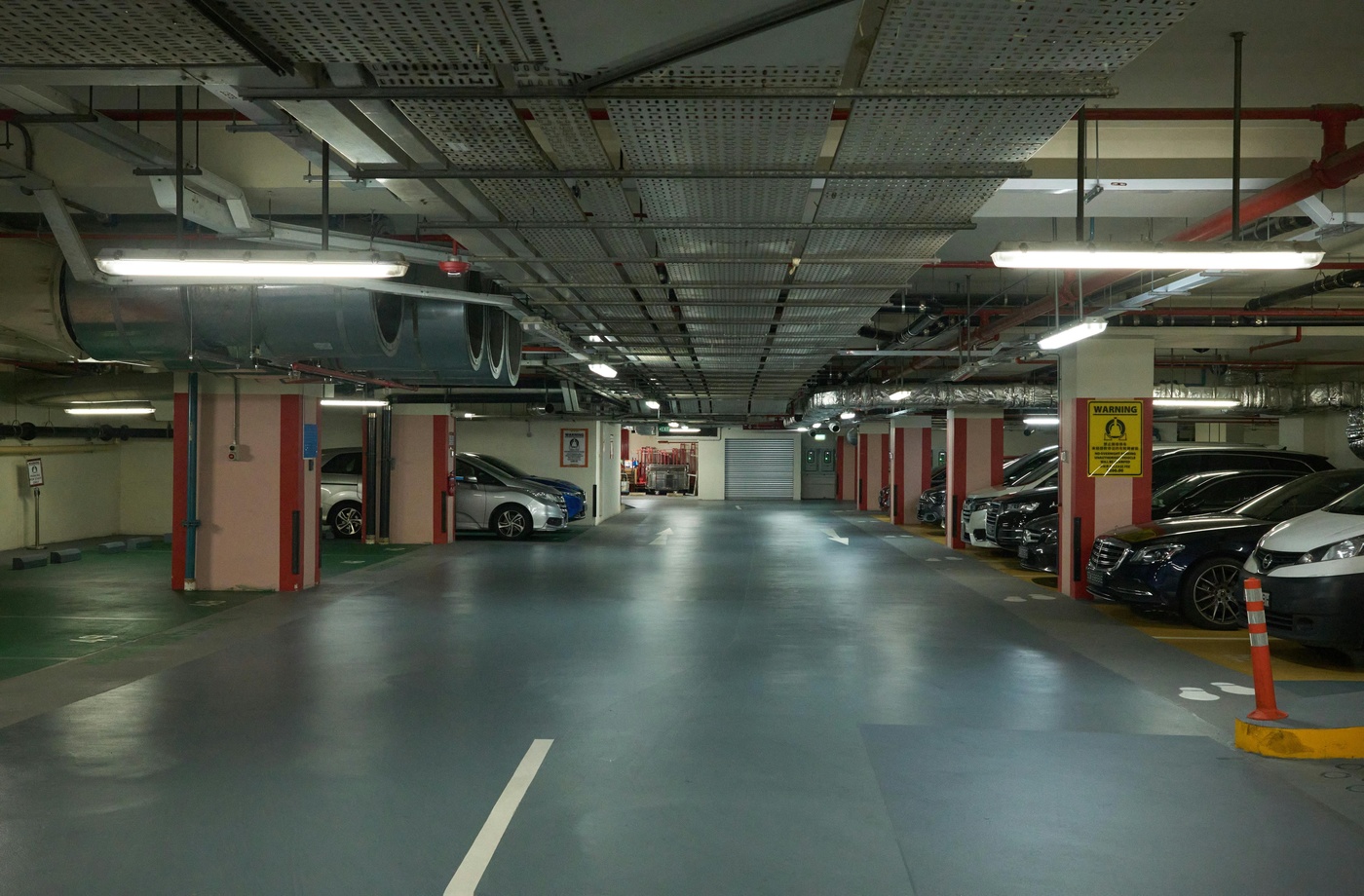
Park within the lines (and take only one space)
It sounds basic, but one of the most common etiquette violations is parking crooked or over the line. This not only reduces available space but often forces others to squeeze in or park illegally. If you’re in a tight lot, take a moment to straighten out. Don’t “buffer” your doors by using two spots unless directed by staff.
When parking on residential streets, be mindful of driveways and crosswalk clearance. In most areas, you should leave at least 5 feet from a driveway and 20 feet from a crosswalk—confirm local regulations with your city’s parking authority.
Don’t block pathways or park in loading zones
In parks and public venues, keep clear of fire lanes, trail entrances, and marked emergency access roads. Even if a spot seems unused, blocking these paths could delay emergency response or access for maintenance crews. Many cities strictly enforce loading zone and bus stop violations, even outside peak hours.
Check signs before leaving your vehicle and refer to resources like Parkopedia to verify legal options nearby.
Be courteous with noise and lighting
If you arrive early for a hike or leave a late-night event, keep music volume and headlights low. Flashing lights, slamming doors, or loud phone calls can disturb nearby residents or early-morning trail users. This is especially important in residential neighborhoods or near nature areas where people are sleeping or enjoying quiet.
Take trash with you
Always remove food wrappers, receipts, or drink containers when you leave. In nature areas, this helps prevent wildlife interference and keeps trails safe for others. In city environments, it reflects well on all drivers and reduces unnecessary cleanup.
If you’re picking up supplies on the way—like snacks from CVS or coffee at Starbucks—consider using a reusable bag or cup to cut down on single-use waste. You can also earn cashback on your purchases using Fluz, which rewards your routine spending with instant savings.
Leave room for strollers, bikes, and accessibility
If you’re parking near a sidewalk, trailhead, or park entrance, be mindful of ADA access ramps, bike paths, and family-friendly walkways. A few extra inches of space can make a big difference for someone pushing a stroller, rolling a wheelchair, or unloading a bike.
Many parks and public lots also designate wide spots for accessible use—these should only be used with a valid permit clearly displayed. Violating this rule not only shows poor etiquette but may lead to steep fines.
Final thoughts
Parking etiquette is about more than rules—it’s about respect for others using the same shared spaces. A little mindfulness before, during, and after you park helps create a more functional, friendly environment for everyone. Whether you’re out for a hike, running errands, or spending the day in the city, thoughtful parking goes a long way.